
Critics say Eastern Oregon nitrates report shows more progress on policies than pollution
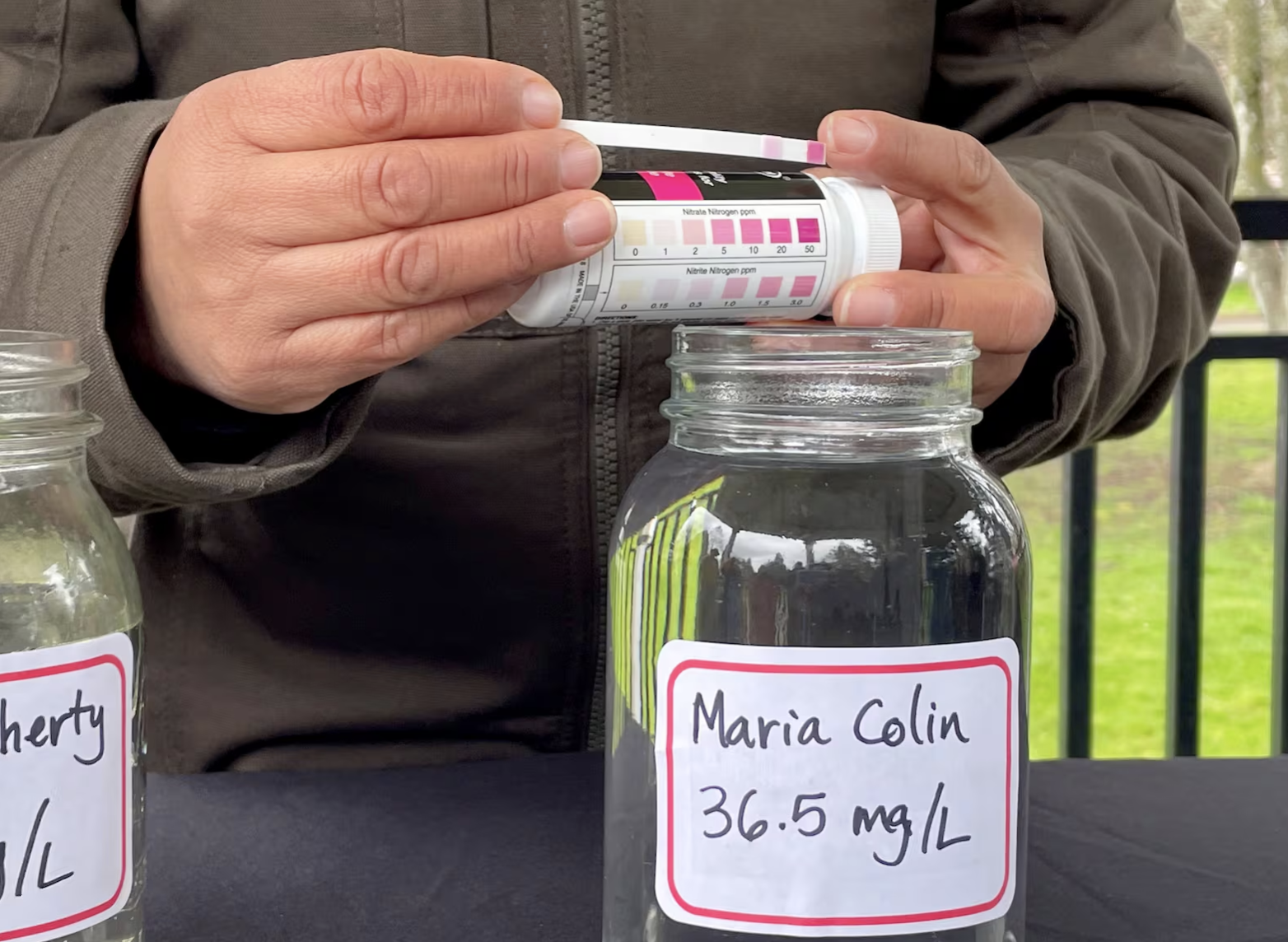
More than a year after four Oregon agencies released a plan to reduce a decades-long nitrate problem in Eastern Oregon, a lot of work remains, according to the state’s first report on its progress.
Overexposure to nitrates is especially harmful to infants, and is linked to cancers and thyroid disease. The main source of contamination in the Lower Umatilla Basin – an area that spans Morrow and Umatilla Counties – has been large-scale irrigated farms, livestock farms and food processing facilities.
Oregon’s Nitrate Reduction Plan, released in summer 2024, maps how the state plans to reduce nitrate concentrations to below 7 milligrams per liter in the Lower Umatilla Basin. The federal limit is 10 milligrams per liter. Some areas in the basin far exceed those limits.
In the progress report released Friday, state agencies detail how they’ve increased funding to test more domestic wells for nitrates. In 2025, the Oregon Health Authority hired bilingual local coordination – roughly 40% of Morrow County’s population is Latino or Hispanic – to increase community education outreach efforts. The state is also on track to create new rules that irrigated farming operations will soon have to follow.
But some environmental advocates feel they have yet to see any meaningful change.
