Water Pollution Resources
Facts, tools and resources to understand water pollution and end this public health crisis.
TOOLS
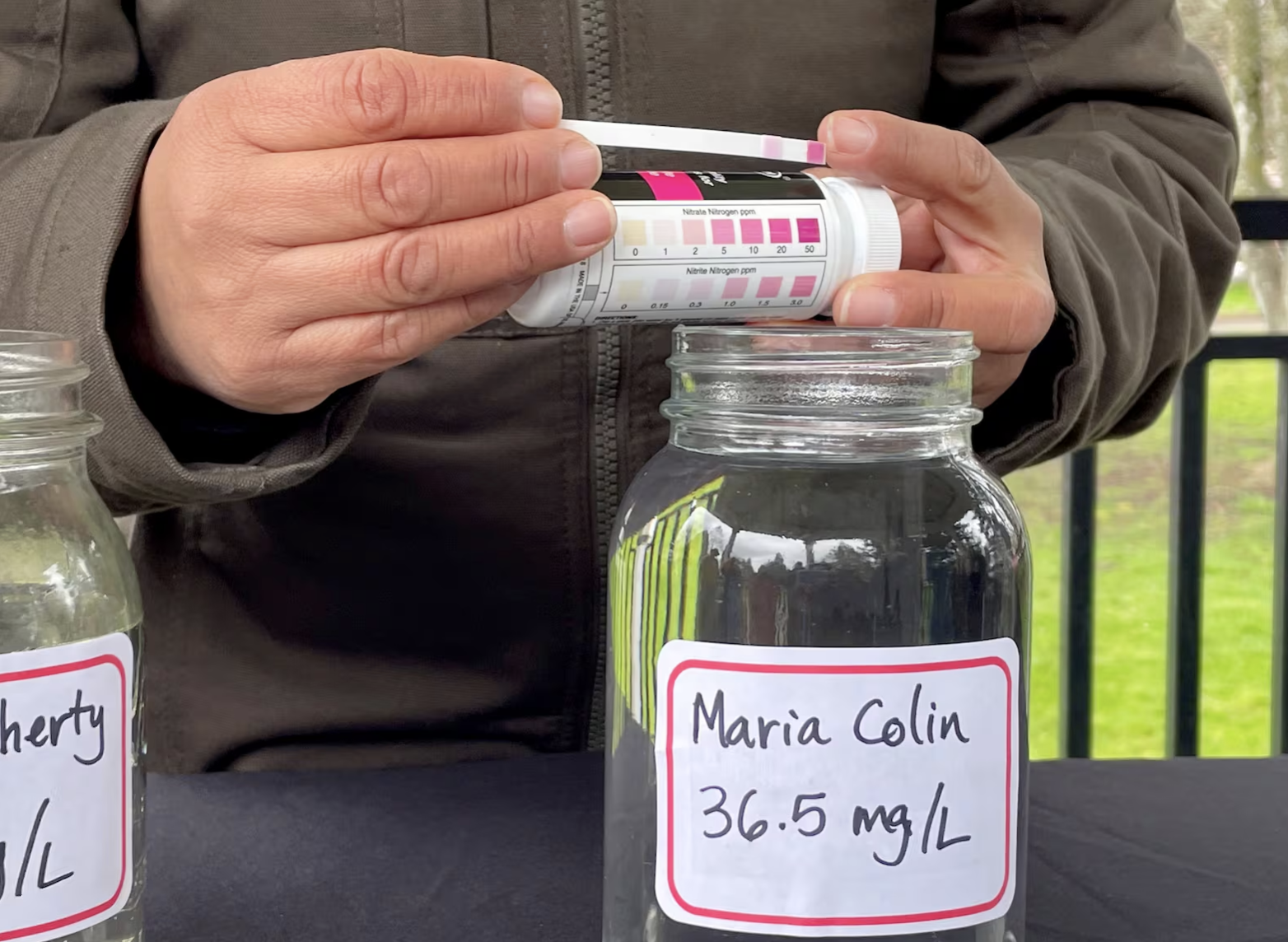
Test your Drinking Water
We all deserve to trust that our drinking water is safe.
After years of pressure on the State of Oregon, free well water tests are now available to residents of the Lower Umatilla Basin. Get yours at the link below.
If you get your tap water from the city’s system, then you have some protections. Follow the link below to check the pollutants in your city’s water.
POLLUTION MAP
Mapping Pollution in the Basin
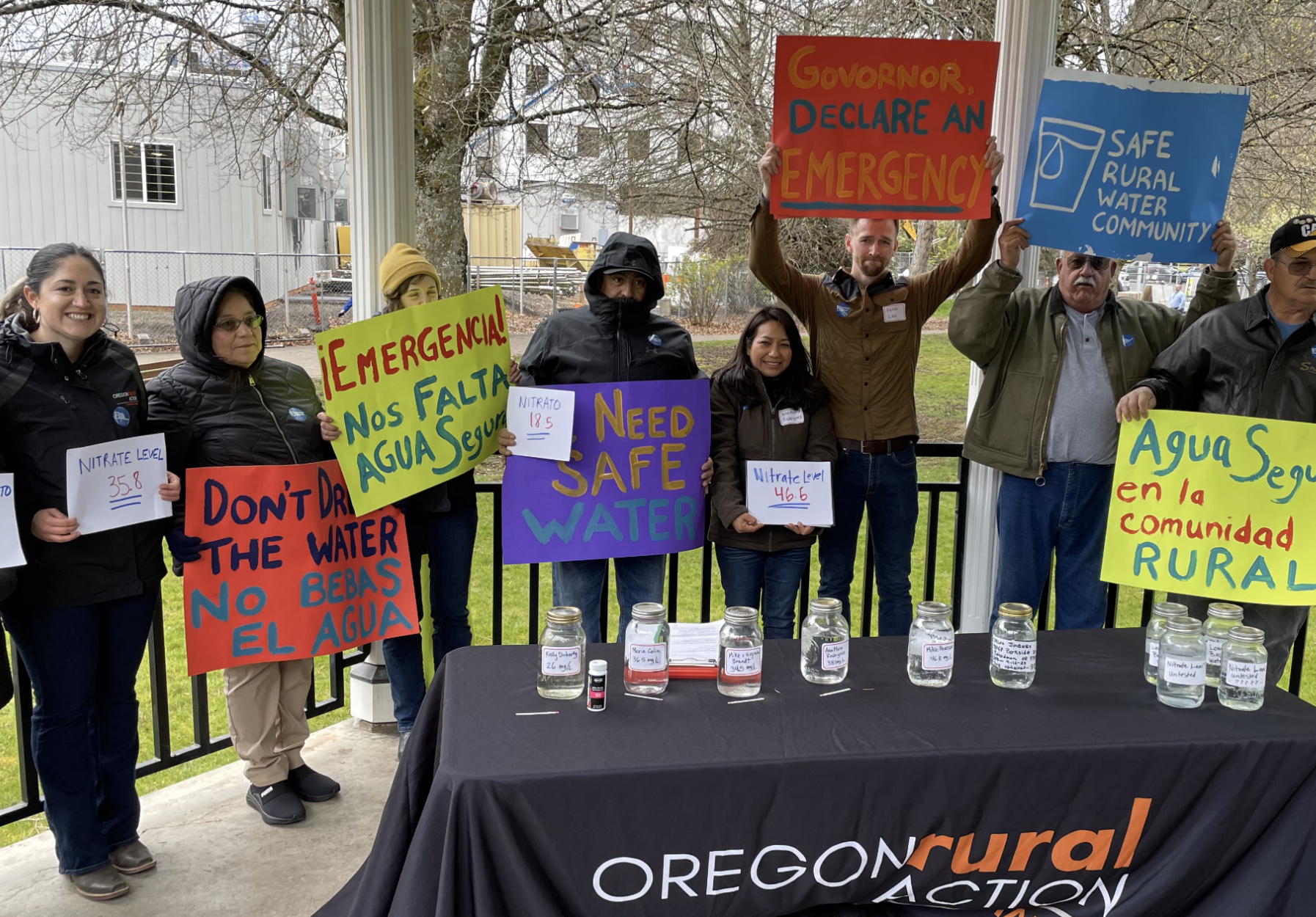
The Lower Umatilla Basin is our home, but it has also become a sacrifice zone for some of the worst water and air pollution in the state. Large-scale industrialized agriculture, power plants and data centers have been polluting the groundwater for decades.
Explore a map of pollution sources compiled by our staff, based on publicly available data from state and federal agencies.
NITRATE POLLUTION
Learn about Nitrate Pollution
Nitrate is a pollutant that seeps into soil and enters our groundwater from:
Chemical fertilizers
Chemical fertilizers, from irrigated agriculture
Manure
Manure, from large-scale animal farms (like dairies and feedlots), also called CAFOs.
Industrial wastewater
Industrial wastewater, from processed food factories, power plants, and other polluting facilities.

Never drink nitrate-polluted water
Even a small amount or a single exposure to nitrate pollution can be harmful. Government officials say nitrate in water above 10 milligrams per liter is unsafe. Nitrate levels as low as 3-5 milligrams per liter of water can cause harm with long-term exposure.
Do not drink, cook or boil nitrate-polluted water.
Remember: Boiling will make your nitrate level worse.
Nitrate poses serious health risks
Short-term nitrate exposure is especially harmful for babies and pregnant women. It’s linked to:
“Blue Baby Syndrome” (potentially lethal to infants)
Miscarriage
Birth defects
Preterm birth
Low birth weight
Long-term health problems linked to nitrate in drinking water include:
Cancers, especially in the stomach and digestive system
Thyroid problems
Alzheimer’s disease
Nitrate Pollution is Increasing
The state's most recent analysis confirms nitrate levels in our groundwater continues to increase.
Read the DEQ Trends Report 2025
Watch: KGW docu-series “Tainted Waters”
Watch the KGW story on the nitrate pollution in the Lower Umatilla Basin.
PFAS POLLUTION
Learn about PFAS Pollution
PFAS or “forever chemicals” are a group of chemicals used in many industrial and consumer products. They pollute water from many sources, including landfills, sewage biosolids, and industrial wastewater.
PFAS are invisible, tasteless, odorless, and highly toxic. According to the EPA, there is no safe amount of PFAS for human consumption.
Where PFAS are a Problem
PFAS pollution is all across the United States and Oregon—from Grants Pass to Hermiston, Tillamook to Burns. However, governments have failed to test enough to know how severe the problem really is.
We compiled the first comprehensive look at federal and state PFAS testing in Oregon’s public drinking water, and a map of contaminated sources.
Polluted with PFAS Report (2026)
PFAS in Oregon Drinking Water
DATA CENTERS
Learn About Data Centers
Data centers worsen water and air pollution.
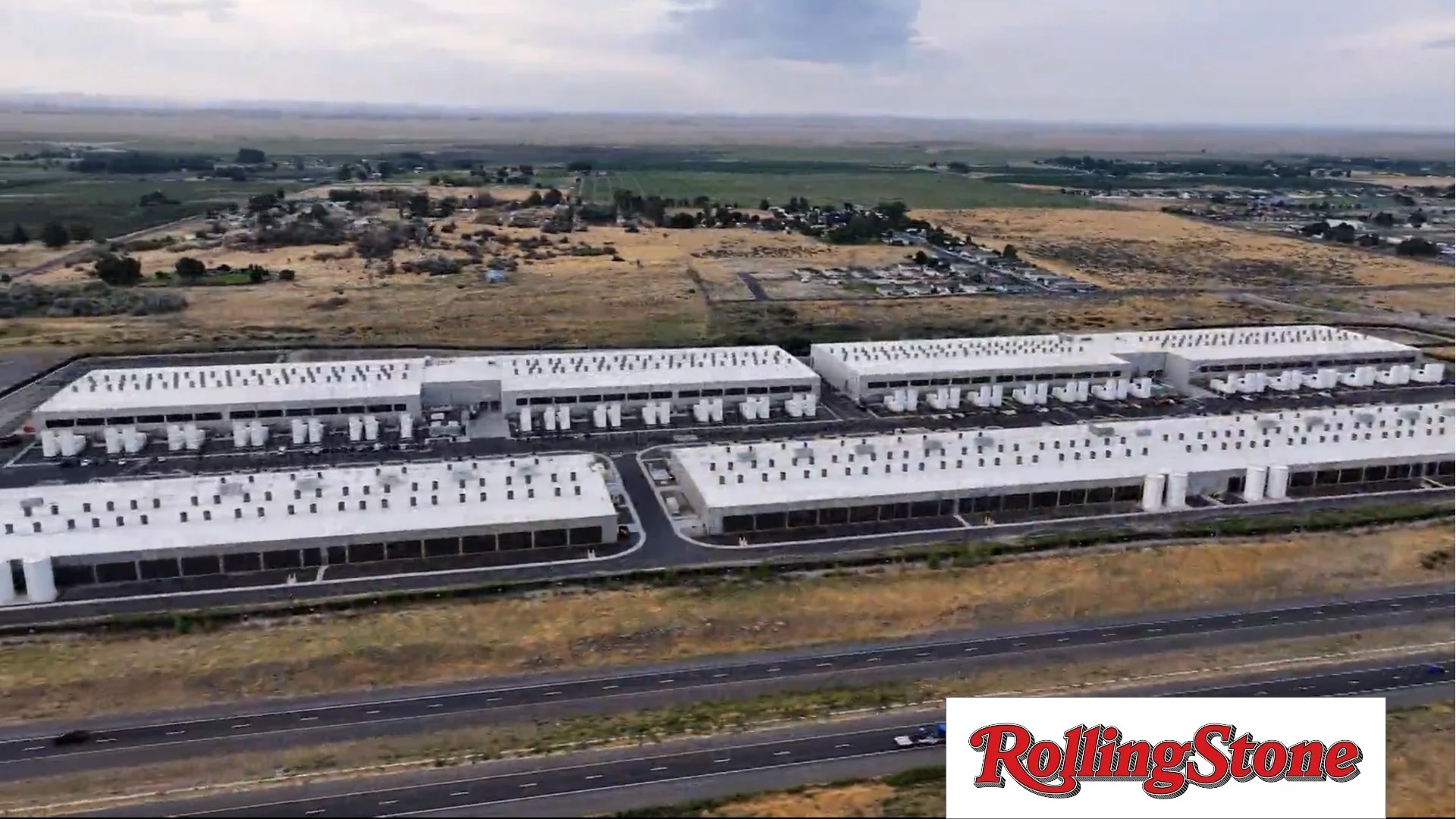
Every year, data centers in our region consume massive amounts of water for cooling, and concentrate contaminates already in the water. They also emit toxic chemicals into the air using large diesel generators.
Eastern Oregon is on track to be one of the largest data center hubs in the United States.
Data Centers are a Growing Problem
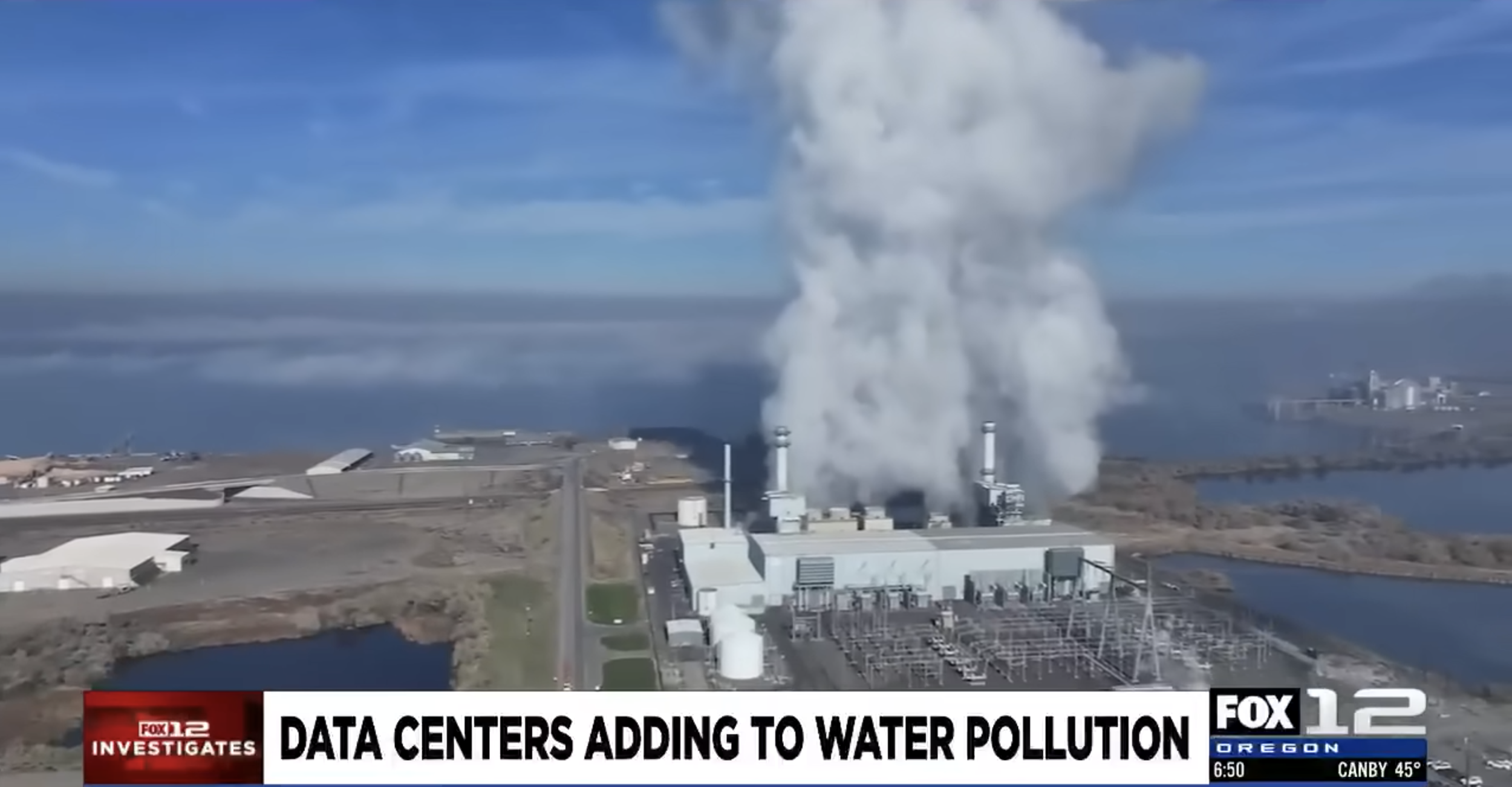
Read more about the impact from recent news coverage.
Fox 12
Rolling Stone