
Commentary: Oregon still dragging its feet on polluted northeast Oregon drinking water
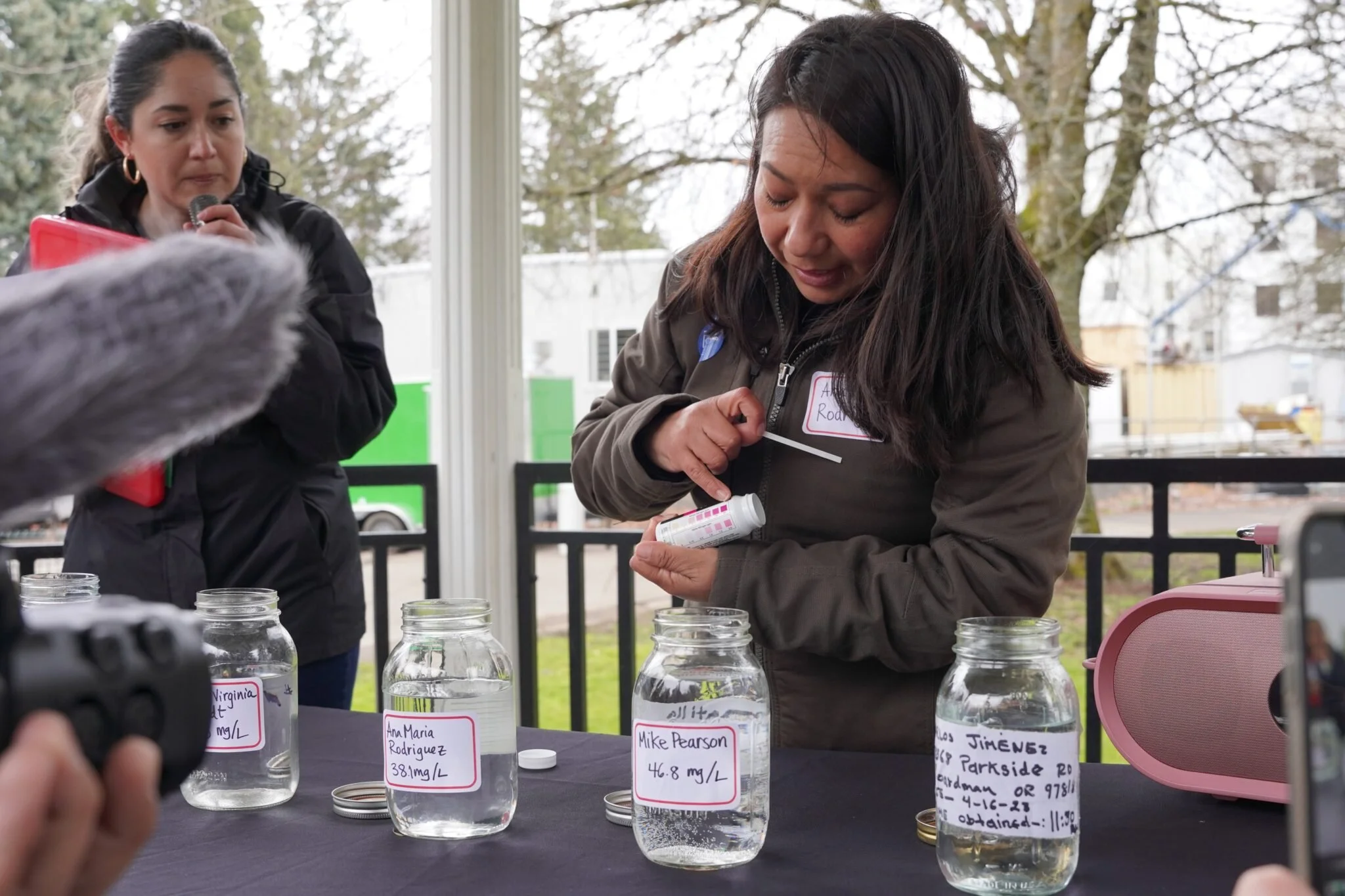
Oregon recently released a progress report on the nitrate reduction plan for the Lower Umatilla Basin, where thousands of people have been living with polluted drinking water for decades. But while the state has been quick to pat itself on the back, the report shows a profound lack of progress.
From 1990 to 2022, most people in north Morrow and Umatilla Counties with polluted water weren’t warned about the health risk. Meanwhile, the state of Oregon was approving industry-led plans for “voluntary actions” to reduce pollution. Unsurprisingly, those plans failed, and pollution kept getting worse.
Fast-forward to 2024, and after years of pressure from people with polluted wells and ORA, Oregon finally developed a new plan. But like the old saying “meet the new boss, same as the old boss,” the new “nitrate reduction plan” is taking the same failed approach as before.
The state reports that the Department of Agriculture established new rules for industrial-scale irrigation, the largest contributor to nitrate pollution in the Basin. What it’s not reporting is that the new rules are essentially voluntary. The rules actually prohibit the Department from enforcing key parts of those rules. It begs the question — if a rule can be broken without consequences, is it really a rule? More importantly, will it change anything?
Read ORA’s response to the Nitrate Reduction Plan in Spanish and English.
